
Endgame
Nightmare Dungeon: progression and Phantom Fragments
How the solo boss ladder works, which rewards matter and when to spend tickets or Phantom Fragments.
Open the guide contents
Read one chapter at a time. Each section is designed to answer one precise question.
The  Nightmare DungeonThe first layer brings together boss selection, challenge levels, rewards, attempt counts and instant completion. is a solo progression ladder built around a succession of boss fights. It tests more than raw Gear Score: movement, damage windows and every permanent system you neglected eventually become visible here.
The exact season, thresholds and rewards may differ at global launch. Use this guide to understand the structure, then confirm current values in the interface.
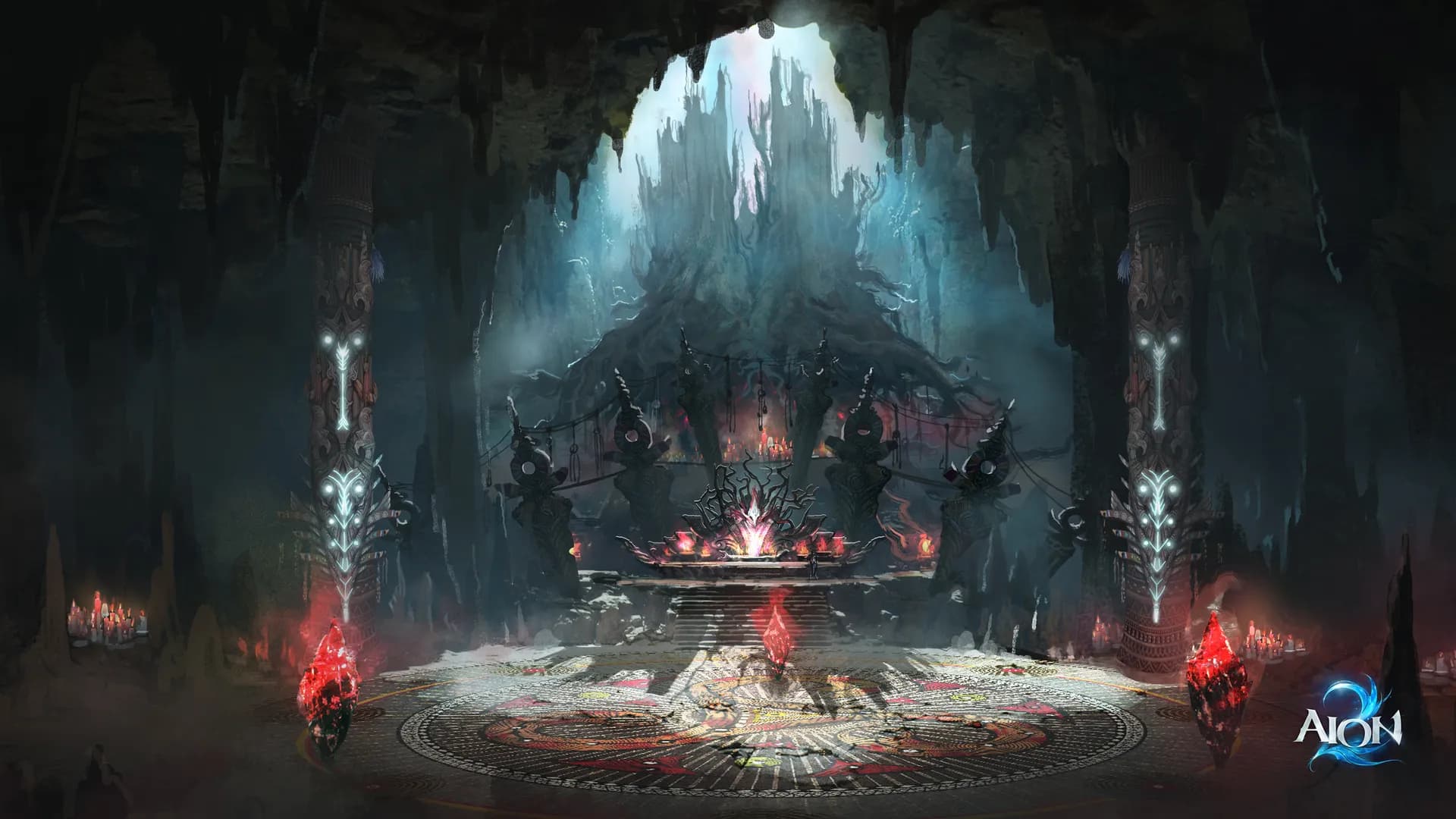
A ladder of solo bosses
Each difficulty level places you against a boss with increasing health, damage and mechanical pressure. Replaying a level you can complete consistently remains useful when the next one is still out of reach.
Treat every attempt as information. If one attack kills you, study the mechanic. If execution is clean but the timer always expires, return to character progression before forcing more attempts.
Why higher difficulty matters
Later stages improve the quantity or quality of seasonal rewards. They are goals, not mandatory daily victories. Farming the highest stage you can clear consistently is usually more efficient than repeatedly failing a theoretical maximum.
Retry after a meaningful upgrade, a better understanding of the pattern or a relevant build adjustment. More attempts without a changed plan rarely create progress.
Spend Phantom Fragments by priority
Victories award Phantom Fragments, which feed a  dedicated shopThe shop separates consumables, growth materials, wings, skins and statues. Displayed prices belong to the observed version.. Observed rewards include equipment amplification materials, Soulbind resources, pet crystals,
  growth materialsThe Growth tab includes Rune Chests, Daevanion Crystals and Wisdom Stones. and Wisdom Stones.
Some purchases have per-character limits. Daevanion Crystals also use successive  purchase stepsOn this version, linked steps increase the price from 800 to 1,600 and then 3,200 Fragments.. Check the current quantity and step price before spending.
Look at what the character is actually missing before buying. Choose equipment materials when gear is too weak for the next difficulty, or Wisdom Stones when skills have fallen behind. Apply the same reasoning to pets, Daevanions and Soulbind.
 WingsWings cost far more Fragments than growth materials and are limited to one purchase per character. and
  skinsSkins are sold piece by piece, so completing a set requires a large Fragment reserve. remain legitimate collection goals, but purchasing them first delays power unless appearance is your explicit seasonal objective.
The final boss and Pantheon progress
The last encounter offers more than a one-time victory. Its trophy or  statueEach boss has a statue, while the final encounter is represented by a larger Colossus. contributes to the Pantheon, turning the final clear into permanent account or character development depending on the version.
That long-term reward is the reason to revisit Nightmare after securing the basic shop materials. The dungeon measures improvement across the season.
Diagnose why you are blocked
If survival is the problem, review defensive stats, consumables and the timing of dodges. If damage is too low, check equipment, skill upgrades, Stigmas, Daevanions, Arcana, Soulbind and pet bonuses.
Do not change every system at once. Identify the failure, make one relevant improvement and test again. A clear before-and-after comparison teaches more than an expensive collection of random upgrades.
Understand when to use tickets
The interface separates two resources. The attempt count lets you enter a fight. An Instant Clear Ticket immediately completes a difficulty level you have already cleared manually and also consumes one attempt. It cannot unlock a new difficulty.
Start the session by manually attempting the next level. If you clear it, that level becomes available for instant completion. Spend tickets afterward on the unlocked level that provides the most useful rewards.
In the observed interface, the attempt count has a default reserve, a separate recharge reserve and recovers two attempts per day. Instant Clear Tickets appear separately and are not the resource restored by that daily recharge. These values may change for global, so check the displayed attempt counter, daily recharge and timer.
Treat Nightmare as an endgame routine
Nightmare connects equipment, skills, pets, Daevanions, Soulbind and Pantheon progression. Few solo activities reveal the whole state of a character so clearly.
Enter regularly, replay difficulty levels you can consistently complete and challenge the next one after a meaningful power increase. Every completed level helps fund the next one.
Keep exploring
Related short reads
6 min
Appearance collection: Closet, extraction and synthesis
Unlock appearances in AION 2, build collection bonuses and recycle duplicates without wasting useful equipment.
5 min
Hidden Cubes: keys, colors and rewards
How to spot Hidden Cubes in AION 2, decide when to use a key and claim their resources before another player does.
5 min
Daevanion Boards: understand nodes and spend points
How to read Daevanion Boards, choose an efficient route and avoid spreading points across weak paths in AION 2.